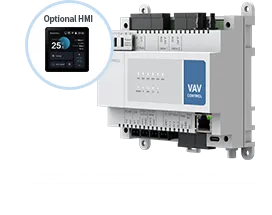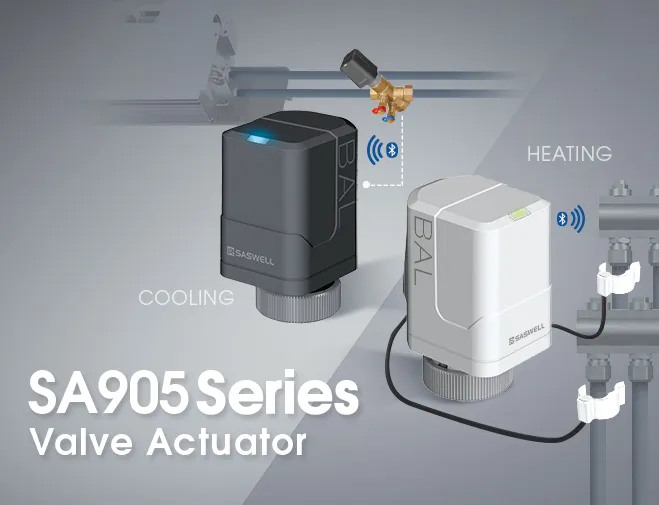





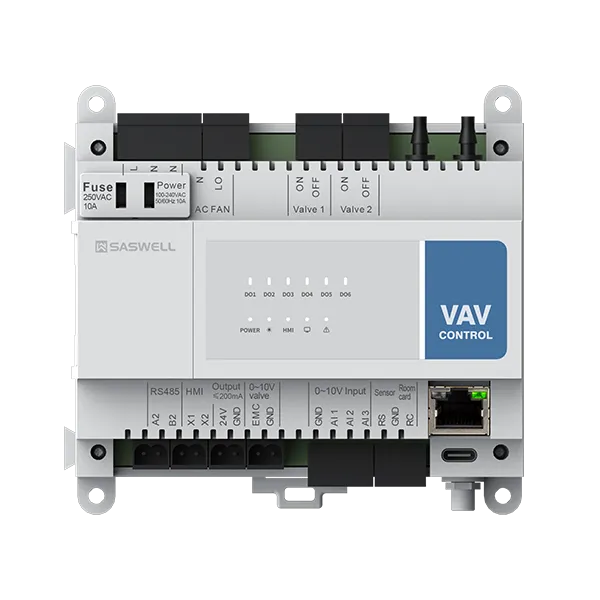


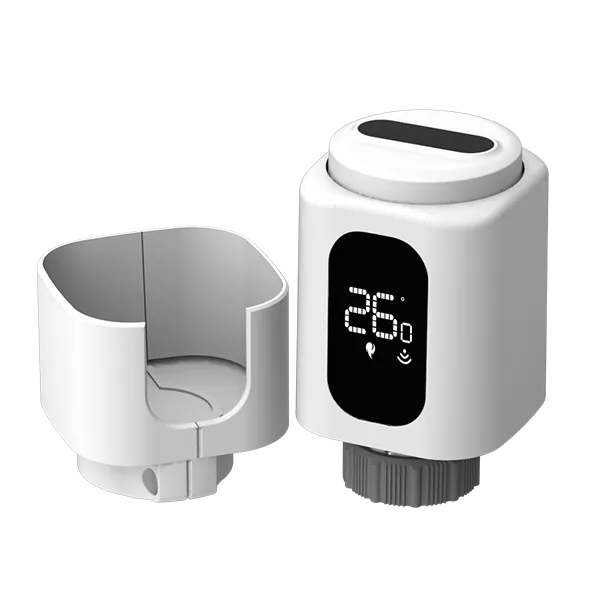







In a nutshell: Tired of high repair costs and vendor lock-in with your VMA1600? A decoupled BACnet VAV controller can cut long-term costs by 30% and works with any 0-10V actuator. Read on to learn how.
Introduction
Introduction
For engineers and facility managers, the Integrated VMA (VAV Modular Assembly) has long been the "default" choice. These all-in-one units from major brands like Johnson Controls (JCI) or Honeywell combine the DDC, sensor, and actuator into one housing. However, this convenience comes with a hidden cost: Hardware Lock-in. In this guide, we explore why switching to a Decoupled BACnet VAV Controller using 0-10V modulating control is the smartest move for your Total Cost of Ownership (TCO) and system flexibility.
Want to see how Siemens compares? Check our Siemens alternative analysis.
The Integrated Trap: A Single Point of Failure
The Integrated Trap: A Single Point of Failure
The biggest flaw of the VMA1600 series and similar integrated units is their serviceability. If the internal mechanical gear of the actuator fails, the entire DDC—including the perfectly functional BACnet processor—must be scrapped. It’s an expensive, wasteful approach to maintenance.
By choosing a decoupled VAV controller, you break this cycle. You gain the freedom to replace only what is broken, saving up to 30-50% on long-term repair costs. This decoupled architecture also helps OEMs reduce BOM cost—explore our OEM cost optimization guide for deeper insights.
Precision PI Control and Streamlined Air Balancing
Precision PI Control and Streamlined Air Balancing
A common misconception is that third-party DDCs lack precision. On the contrary, our BACnet MS/TP VAV controller integrates a high-precision Differential Pressure (DP) sensor and advanced PID algorithms to deliver superior Pressure Independent (PI) control. Proper PID tuning is critical to avoid VAV system hunting—learn how our 0-10V precision logic completely eliminates oscillation.
Furthermore, the decoupled setup simplifies the Air Balancing process. Technicians can easily override the 0-10V modulating signal to test damper positions independently, ensuring the system meets design flow rates in half the time. For step-by-step instructions, follow our laptop-free commissioning guide.
Beyond Airflow: Multi-Functional Integration
Beyond Airflow: Multi-Functional Integration
While standard VMAs often require extra modules for expanded features, our universal controller is "All-in-One" ready:
- 2-Stage Reheat: Native logic for electric or water heating coils. For advanced hydronic reheat optimization, see our dedicated guide.
- Demand Controlled Ventilation (DCV): Direct input for CO₂ sensors to optimize fresh air. See how DCV helps achieve LEED/WELL in green buildings.
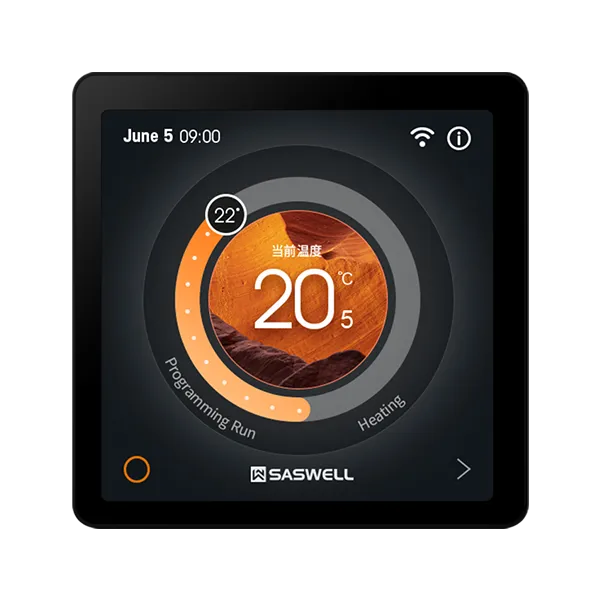
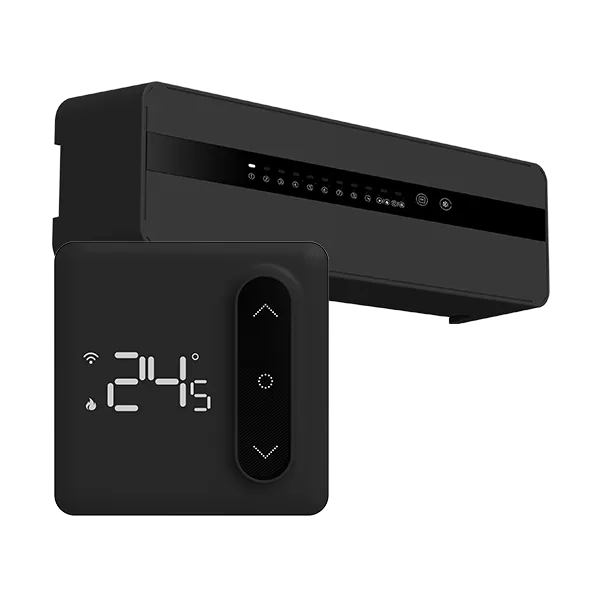
- Hotel Keycard Logic: Built‑in energy‑saving setbacks for occupancy‑based HVAC control. Pair it with our GRMS‑ready HMI display for complete room automation.
Conclusion: Future-Proof Your HVAC Infrastructure
Conclusion: Future-Proof Your HVAC Infrastructure
Choosing a decoupled 0-10V VAV controller is about more than just immediate savings—it’s about supply chain freedom. Whether you’re a VAV Box manufacturer looking to reduce BOM costs or a contractor seeking a reliable JCI VMA alternative, moving away from integrated units ensures your system remains flexible, maintainable, and cost‑effective for decades.
Take Action Today
- View full product line: Saswell VAV Controllers
- For commercial buildings: Energy‑efficient VAV solution for offices
- Critical environments (labs/cleanrooms): Lab VAV safety control system
- Download datasheet: Contact us for specifications and pricing.